
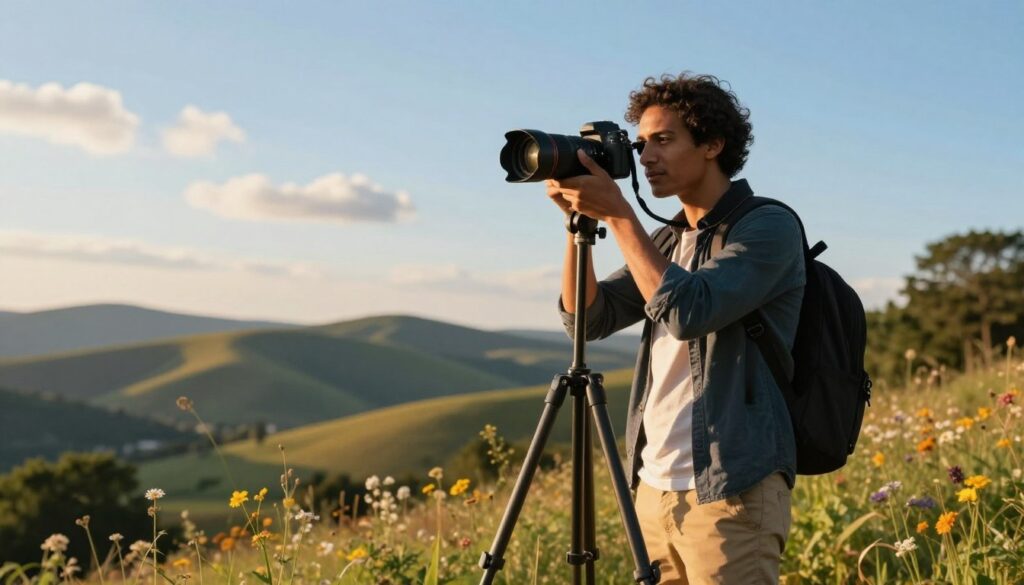
introduction
The global services market is booming and will reach $39.04 billion in 2026. This growth makes it an ideal moment for any beginner to start a career. Whether you are a hobbyist or a dreamer, the potential for success is high.
Entry-level rates start at $20 per hour, while experienced creators often charge $75. Some top experts even earn $496 per hour by mastering client interactions. Launching a photography business now allows you to tap into this large 2.5% annual industry growth.

This guide covers everything from picking gear to landing your first paying clients. You can move from a casual shooter to a professional photographer with the right strategy. We will help you navigate the steps to build a lasting brand in this exciting field.
Key Takeaways
- Global market value is projected to hit $39.04 billion by 2026.
- Top earners in the field can make as much as $496 per hour.
- Entry-level positions typically start with a $20 hourly rate.
- Steady 2.5% annual growth makes 2026 a great time to start.
- Success depends on both technical gear and client interaction skills.
- Moving to a professional level requires a clear business plan.
Why 2026 is the Prime Time to Launch Your Photography Career
With the demand for visual content on the rise, 2026 is shaping up to be an ideal year to launch a freelance photography career. The world is becoming increasingly visual, with social media platforms, businesses, and individuals seeking high-quality images to tell their stories.
The freelance photography market is experiencing significant growth, driven by the need for creative photography that captures the essence of moments, products, and experiences. According to industry trends, the demand for freelance photographers is expected to continue rising, making it an opportune time for newcomers to enter the market.
One of the key factors contributing to this growth is the expansion of social media and e-commerce platforms. Businesses are looking for photographers who can provide them with high-quality visuals to showcase their products and services. As a result, there is a growing demand for photographers who specialize in areas such as product photography, real estate photography, and event photography.
“The rise of social media has created a culture of visual storytelling, where high-quality images are not just desirable but necessary for businesses to stand out.”
To capitalize on this trend, aspiring photographers should focus on developing their skills in these in-demand areas. By doing so, they can position themselves for success in the freelance photography market.
| Photography Niche | Demand Level | Growth Potential |
|---|---|---|
| Product Photography | High | Excellent |
| Real Estate Photography | High | Good |
| Event Photography | Medium | Fair |
As the demand for freelance photography jobs continues to grow, 2026 presents a unique opportunity for individuals to turn their passion for photography into a successful career. By understanding the current market trends and developing the necessary skills, aspiring photographers can set themselves up for success in this exciting and rapidly evolving field.
Essential Gear for Starting Your Freelance Photography Business
Embarking on a freelance photography career requires a thoughtful approach to selecting the right equipment. As a beginner, it’s easy to get overwhelmed by the vast array of options available in the market. However, the key is to start with the essentials that can help you deliver high-quality photography services without breaking the bank.
You don’t need the most expensive gear to start; a mid-range camera body and a couple of versatile lenses can be a great starting point. Additionally, investing in good editing software is crucial for professional editing and enhancing your photos.
Selecting a Reliable Mid-Range Camera Body
When it comes to choosing a camera body, there are numerous options available across different price segments. For a freelance photographer just starting out, a mid-range camera body offers a good balance between quality and affordability.
- Look for a camera with good low-light performance.
- Consider a model with weather sealing for added durability.
- Ensure it has manual controls to give you creative flexibility.
Brands like Canon and Nikon offer excellent mid-range options. For instance, the Canon EOS 80D or the Nikon D7500 are popular choices among photographers.
Choosing Versatile Lenses for Beginners
Lenses are just as important as the camera body when it comes to capturing high-quality images. As a beginner, it’s advisable to start with lenses that are versatile and can be used in various shooting conditions.
- A standard zoom lens (e.g., 24-70mm) is great for general photography.
- A prime lens (e.g., 50mm) is excellent for portraits and low-light conditions.
These lenses will help you experiment with different styles and genres of photography, from portraits to landscapes.
Software Requirements for Professional Editing
Good editing software is essential for enhancing your photos and giving them a professional finish. Adobe Lightroom and Photoshop are industry standards that offer a wide range of tools for editing and retouching.
Investing in a good monitor with accurate color representation is also crucial for editing. This ensures that the colors you see on your screen are true to life.
By focusing on these essentials, you can start your freelance photography business without a significant initial investment. Remember, the key to success lies in delivering quality photography services and continually improving your skills.
Identifying Your Profitable Niche
Identifying a profitable niche is crucial for the success of your freelance photography business in 2026. With the rise of digital media, the demand for high-quality photography has increased across various industries. To capitalize on this trend, it’s essential to choose a niche that aligns with your skills, interests, and market demand.
Freelance photographers can explore multiple niches, each with its unique opportunities and challenges. Understanding these niches is key to making an informed decision.
Exploring Portrait and Wedding Photography
Portrait and wedding photography are traditional and lucrative niches. Portrait photography involves capturing personal and family moments, while wedding photography is centered around documenting one of the most significant events in a person’s life. Both niches require a deep understanding of lighting, composition, and interpersonal skills.
- Portrait photography offers a steady stream of clients seeking family portraits, professional headshots, and personal branding.
- Wedding photography, while more seasonal, can be highly rewarding and offers the opportunity to capture once-in-a-lifetime moments.
The Growing Demand for Real Estate and Product Photography
Real estate photography has become increasingly important with the growth of online property listings. High-quality property photos can significantly impact a real estate agent’s ability to attract potential buyers. Similarly, product photography is crucial for e-commerce businesses looking to showcase their products in the best possible light.
Both niches require attention to detail and an understanding of how to present subjects in an appealing manner.
- Real estate photography involves capturing the best features of properties to attract buyers.
- Product photography focuses on showcasing products from the most flattering angles, often requiring specialized equipment and editing skills.
Event and Pet Photography Opportunities
Event photography encompasses a broad range of activities, including corporate events, concerts, and social gatherings. Pet photography is a niche that caters to pet owners who consider their pets part of the family.
Both niches offer unique opportunities for creative expression and can be lucrative with the right client base.
- Event photography requires the ability to work in fast-paced environments and capture a variety of moments.
- Pet photography demands patience and an understanding of animal behavior to capture the best shots.
By understanding the different niches available and their respective demands, freelance photographers can make informed decisions about their career paths. Whether you choose portrait, wedding, real estate, product, event, or pet photography, the key to success lies in delivering high-quality work and building a strong photography portfolio.
Building a Professional Portfolio from Scratch
Building a photography portfolio from scratch requires strategic planning, creativity, and a clear understanding of your niche. A strong portfolio not only showcases your skills but also demonstrates your unique style and versatility as a photographer.
To start, it’s essential to have a solid foundation of high-quality images that reflect your creative vision. This is where styled shoots come into play. Organizing styled shoots allows you to experiment with different themes, lighting setups, and compositions, all while showcasing your ability to work with various subjects and styles.
Organizing Styled Shoots to Showcase Your Style
Styled shoots are collaborative efforts where you work with other creatives, such as makeup artists, stylists, and models, to create a cohesive and visually appealing set of images. These shoots are invaluable for building your portfolio because they allow you to:
- Experiment with new techniques and styles
- Build relationships with other professionals in the industry
- Create a diverse set of images that can be used to attract potential clients
When organizing styled shoots, consider themes or concepts that align with your niche. For example, if you’re interested in portrait photography, you might organize a shoot around a specific theme, such as vintage glamour or urban landscapes.

Leveraging Free Work for Friends and Family
Another effective way to build your portfolio is by offering your services to friends and family at no cost or at a reduced rate. This not only helps you gain practical experience but also results in a collection of personal, high-quality images that can be included in your portfolio.
When offering free work, it’s crucial to treat these sessions with the same professionalism as paid gigs. This means communicating clearly, being punctual, and delivering high-quality images. By doing so, you’ll not only build your portfolio but also gain testimonials and referrals that can help attract future clients.
Curating Your Best 15 to 20 Images
Once you’ve accumulated a substantial number of images from styled shoots and personal projects, it’s time to curate your portfolio. The goal is to select your strongest work—typically around 15 to 20 images—that best represent your style and skill level.
When curating your portfolio, consider the following:
- Quality over quantity: Choose images that are technically sound and visually compelling.
- Cohesiveness: Ensure that your selected images have a common thread or aesthetic that ties them together.
- Diversity: Include a variety of images that showcase your range and versatility as a photographer.
By carefully selecting and presenting your best work, you’ll create a compelling portfolio that effectively communicates your value to potential clients and helps establish your brand in the competitive world of freelance photography.
Setting Your Rates with Confidence
Setting your rates with confidence requires a deep understanding of your costs, the local market, and your target audience. As a professional photographer, you need to balance your pricing with the value you bring to your clients.
Researching Local Market Standards
To determine your freelance photography rates, start by researching what other photographers in your area are charging. This will give you a baseline understanding of the local market standards.
- Look at the websites of local photographers and their pricing pages.
- Check online directories and review sites for photographers in your area.
- Network with other photographers to learn about their pricing strategies.
Calculating Your Hourly Rate Based on Editing Time
When calculating your hourly rate, consider not just your shooting time but also your editing time. Editing is a crucial part of the photography process, and your rate should reflect this.
- Track how much time you spend editing per hour of shooting.
- Factor in the cost of your equipment, software, and other expenses.
- Determine your desired hourly rate based on your costs and the local market standards.
Avoiding Common Pricing Pitfalls for New Photographers
New photographers often make the mistake of underpricing their services. Avoid undercharging by understanding your worth and the value you bring to clients.
“Pricing is not just about covering costs; it’s about reflecting the value you bring to your clients.”
Common pitfalls to avoid include:
- Pricing too low to attract clients, which can lead to burnout.
- Not accounting for all expenses, including equipment and editing software.
- Failing to adjust your pricing as your business grows and your skills improve.
Navigating the Legal Foundations of Your Business
Launching a photography business requires more than just talent; it demands a thorough understanding of its legal framework. As you embark on your journey as a freelance photographer, establishing a solid legal foundation is crucial for protecting your business and ensuring its long-term success.
Choosing Between Sole Proprietorship and LLC
One of the first legal decisions you’ll make is choosing the right business structure. The most common options for freelance photographers are sole proprietorship and Limited Liability Company (LLC). A sole proprietorship is the simplest structure, where you own and operate the business personally. However, it offers no personal liability protection.
On the other hand, an LLC provides personal liability protection and tax benefits. It separates your personal assets from your business assets, reducing the risk of personal financial loss in case of business-related lawsuits. While an LLC requires more paperwork and fees than a sole proprietorship, its benefits often outweigh the costs for freelance photographers looking to establish a professional and secure business environment.
| Business Structure | Liability Protection | Tax Complexity | Setup Costs |
|---|---|---|---|
| Sole Proprietorship | No | Low | Low |
| LLC | Yes | Moderate | Moderate to High |
Registering Your Business and Obtaining an EIN
Regardless of your chosen business structure, registering your business is a critical step. This process involves selecting a unique business name and filing the necessary paperwork with your state government. Additionally, obtaining an Employer Identification Number (EIN) from the IRS is essential for tax purposes and opening a business bank account.
An EIN is a unique identifier for your business, similar to a social security number for individuals. It’s required for filing taxes, hiring employees, and opening business bank accounts. The application process is straightforward and can be completed online through the IRS website.
Managing Business Banking and Essential Insurance
Separating your personal and business finances is vital for maintaining clarity in your business’s financial health. Opening a business bank account helps you keep track of your business expenses and income, making tax preparation easier and more efficient.
Moreover, as a freelance photographer, you should consider obtaining essential insurance to protect your business against potential risks. This may include general liability insurance, equipment insurance, and professional liability insurance. These insurance types can safeguard your business against accidents, equipment damage, and client disputes.
By navigating these legal foundations, you can establish a secure and professional photography business. Understanding the legal aspects of your business not only protects your personal and professional assets but also enhances your credibility with clients and partners.
Strategies for Finding Your First Paying Clients
To kick-start your freelance photography career, identifying and securing your first paying clients is essential. This step is crucial as it not only brings in your first earnings but also helps in building your portfolio and gaining practical experience.
Tapping Into Your Personal and Professional Network
One of the most effective ways to find your first clients is by leveraging your personal and professional network. This includes friends, family, colleagues, and acquaintances who can either become your clients or refer you to potential ones. Informing your network about your services can lead to word-of-mouth marketing, which is a powerful tool in the photography industry.
Consider reaching out to:
- Friends and family who might need photography services or know someone who does.
- Colleagues and professional contacts who can refer you to potential clients.
- Social media contacts who can help spread the word about your services.
Utilizing Facebook Groups and Local Community Boards
Facebook groups and local community boards are excellent platforms for finding potential clients. Join local photography groups, community boards, and other relevant groups where your target audience is active. Engage with the community by offering advice, sharing your work, and participating in discussions.
A simple table to get you started:
| Platform | Purpose | Action |
|---|---|---|
| Facebook Groups | Networking and community engagement | Join local photography and community groups |
| Local Community Boards | Advertising your services | Post about your photography services |
Building a Referral System That Works
A referral system can be a game-changer for your freelance photography business. Encourage your initial clients to refer you to their network by offering incentives such as discounts on future services or free sessions.
To implement a successful referral system:
- Deliver exceptional service to your initial clients.
- Ask for referrals and make it easy for them to refer you.
- Offer incentives for successful referrals.
By tapping into your network, utilizing online platforms, and building a referral system, you can effectively find your first paying clients and set your freelance photography business on the path to success.
Developing a Consistent Brand Identity
As a freelance photographer, your brand identity is the foundation upon which your business is built, influencing every aspect from client perception to marketing strategy. A strong brand identity not only sets you apart from competitors but also communicates your unique value proposition to potential clients.
Creating a consistent brand identity involves several key elements, including a professional website and online presence, a defined visual style, and a clear message that resonates with your target audience.
Creating a Professional Website and Online Presence
In today’s digital age, having a professional website is non-negotiable for freelance photographers. Your website serves as a digital portfolio, showcasing your best work and providing potential clients with an easy way to contact you and learn about your services. When building your website, focus on creating a user-friendly interface that highlights your photography portfolio and makes it easy for visitors to navigate.
Alongside your website, maintaining a strong online presence through social media platforms is crucial. Platforms like Instagram and Facebook can be powerful tools for creative photography marketing, allowing you to share your work, engage with your audience, and build your brand.

Defining Your Unique Visual Style
Your visual style is what sets you apart as a professional photographer. It’s the unique aesthetic and approach you bring to your photography that makes your work recognizable and memorable. To define your visual style, consider the types of photography you’re most passionate about, the editing techniques you prefer, and the overall mood or atmosphere you aim to capture in your images.
Consistency is key to developing a strong visual style. This means applying a consistent editing style across your portfolio, using similar composition techniques, and continually refining your approach based on feedback and personal growth.
Mastering Client Communication and Workflow
To stand out in the competitive world of freelance photography, it’s essential to refine your client communication and workflow strategies. Effective communication and a streamlined workflow not only enhance client satisfaction but also contribute to the overall success and growth of your business.
Setting Clear Expectations with Contracts
Clear contracts are fundamental in setting the right expectations with your clients. A comprehensive contract should outline the scope of work, payment terms, and delivery timelines. This clarity helps in avoiding misunderstandings and ensures a smooth workflow.
| Element | Description |
|---|---|
| Scope of Work | Details the services to be provided |
| Payment Terms | Outlines the payment schedule and methods |
| Delivery Timelines | Specifies when and how the final product will be delivered |
| Cancellation Policy | Explains the terms for cancelling the contract |
Streamlining Your Booking and Delivery Process
Streamlining your booking and delivery process is crucial for maintaining a high level of client satisfaction. This involves creating an efficient system for handling inquiries, booking sessions, and delivering the final product.
- Implement an Online Booking System: Utilize online platforms or your website to allow clients to book sessions easily.
- Automate Client Communication: Use email templates for common communications, such as booking confirmations and delivery notifications.
- Organize Your Files: Develop a consistent filing system for client projects to ensure easy access and efficient delivery.
By implementing these strategies, freelance photographers can significantly improve their client communication and workflow, leading to higher client satisfaction and business growth.
Scaling Your Business for Long-Term Success
To achieve sustained growth in your freelance photography career, consider these key strategies. As your business expands, it’s crucial to adapt and make informed decisions that support your long-term goals.
“The key to success is to focus our conscious mind on things we desire not things we fear.” – Brian Tracy
“The key to success is to focus our conscious mind on things we desire not things we fear.” – Brian Tracy
Reinvesting Profits into Professional Equipment
One of the most effective ways to scale your photography business is by reinvesting your profits into professional equipment. Upgrading your camera gear, lighting, and editing software can significantly enhance the quality of your work and increase your competitive edge.
Consider investing in:
- High-quality lenses for improved image clarity
- Advanced lighting systems for better control over lighting conditions
- Professional editing software to streamline your post-processing workflow
Expanding Your Services as Demand Grows
As your business grows, it’s essential to be responsive to changing client demands and market trends. Expanding your services can help you stay competitive and attract new clients.
Consider the following strategies:
- Offer additional services such as videography or drone photography
- Develop specialized packages or bundles tailored to specific client needs
- Explore new markets, such as commercial or industrial photography
By diversifying your services and staying attuned to industry developments, you can position your business for long-term success and continued growth.
Conclusion
Embarking on a freelance photography career in 2026 can be a rewarding and creative venture. By understanding the essential gear, identifying a profitable niche, and building a professional photography portfolio, you can establish a strong foundation for your business.
As a freelance photographer, it’s crucial to navigate the legal aspects, set competitive rates, and develop a consistent brand identity. Effective client communication and a streamlined workflow are also vital for delivering high-quality services and fostering a loyal client base.
By following the steps outlined in this guide, you can confidently launch and grow your freelance photography business. Reinvesting in your craft, expanding your services, and continually improving your skills will help you achieve long-term success.
Now is the time to take the first step towards turning your passion into a profession. Start building your photography portfolio, and begin your journey as a successful freelance photographer in 2026.
FAQ
Why is 2026 considered the ideal year to launch a freelance photography business?
The demand for high-quality, original visual content continues to skyrocket as digital marketing and the creator economy evolve. In 2026, businesses are moving away from generic stock imagery in favor of authentic creative photography that tells a brand story. This shift creates a massive opportunity for a new professional photographer to fill the gap in providing personalized photography services for local and digital brands.
What is the minimum gear required to start a photography business?
You do not need top-of-the-line equipment to begin your journey in freelance photography. A reliable mid-range mirrorless camera, such as the Sony a7 IV or the Canon EOS R6 Mark II, paired with a versatile “nifty fifty” (50mm) or 35mm lens, is more than sufficient. For post-processing, a subscription to the Adobe Creative Cloud—specifically Lightroom and Photoshop—is the industry standard for delivering professional results.
How can I build a professional photography portfolio if I haven’t had any clients yet?
The most effective way to build a photography portfolio from scratch is through styled shoots. By collaborating with local models, florists, or small business owners, you can curate high-end scenarios that showcase your skill set. Additionally, performing a few “pro bono” sessions for friends or family allows you to practice your workflow and select your best 15 to 20 images to display on a professional website like Squarespace or Pixieset.
How should I determine my freelance photography rates as a beginner?
Setting your freelance photography rates requires a balance between local market research and your “Cost of Doing Business” (CODB). You must factor in not only the time spent behind the lens but also the hours dedicated to professional editing, software subscriptions, and equipment maintenance. Avoid undercutting the market too drastically; instead, offer introductory packages that provide value while maintaining the integrity of your photography business.
What are the most profitable niches for a freelance photographer in 2026?
While portraiture is a staple, niches such as real estate photography, e-commerce product photography, and corporate event photography currently offer the highest demand and consistent freelance photography jobs. These sectors often require recurring services, allowing you to build long-term relationships with commercial clients and maintain a steadier cash flow.
Should I register as a Sole Proprietorship or an LLC for my photography services?
While a Sole Proprietorship is easier to set up, forming an LLC (Limited Liability Company) is often recommended for a freelance photographer because it provides a layer of protection for your personal assets. Regardless of the structure, you should obtain an Employer Identification Number (EIN) and open a dedicated business bank account with an institution like Chase or Novo to keep your finances organized.
Where can I find my first paying freelance photography jobs?
Start by tapping into your personal and professional networks on LinkedIn and Instagram. Joining local community groups on Facebook or Nextdoor can also lead to your first local bookings. Once you land a few clients, focus on building a referral system, as word-of-mouth remains the most powerful marketing tool for growing a successful photography business.
Why is a professional contract necessary for every shoot?
Contracts are essential for mastering client communication and protecting your business. A solid contract, which can be managed through platforms like HoneyBook or Dubsado, clearly outlines the scope of work, delivery timelines, usage rights, and cancellation policies. This ensures that both the professional photographer and the client have clear expectations, reducing the risk of disputes.